Hazel Baby Eye Color Progression
The first glimpse of a newborn's eyes is a moment of pure magic for parents. As they gaze into those tiny orbs, they often wonder what color they will eventually become. For babies born with hazel eyes, this journey is particularly captivating. Hazel eyes are a unique blend of green, amber, and brown hues, making them both beautiful and intriguing.
But what exactly happens during the progression of hazel eye color in babies? How do these enchanting eyes develop, and what factors influence their final color? Let's embark on a journey to experience the fascinating world of hazel baby eye color progression.
Why Hazel Eyes Are So Fascinating
Hazel eyes are among the most captivating eye colors because they’re rarely just one color. Instead, they shift and shimmer, often containing hints of green, gold, brown, or even amber making them seem alive and ever-changing. This unique blend gives hazel eyes a mysterious and dynamic quality that catches light in remarkable ways. Depending on the environment, clothing, or time of day, hazel eyes can appear to transform, setting them apart from more uniform eye colors.
What makes them even more interesting is their rarity. While not as uncommon as gray or violet eyes, hazel still only occurs in a small percentage of the global population estimated at around 5% worldwide. That rarity, combined with their multicolored depth, often draws extra attention and admiration. Many people with hazel eyes are told they look different every time they smile, go outside, or stand under a different light source. It’s a trait that feels almost magical.
Beyond the visual beauty, hazel eyes also symbolize uniqueness. Since they rarely follow a predictable pattern, no two pairs of hazel eyes are exactly alike. For parents, watching hazel eyes emerge in their child over time adds a special sense of wonder. It’s not just about color it’s about witnessing something rare and beautiful unfold.
What Causes Hazel Eyes In Babies?
Eye color is determined primarily by genetics, melanin, and the way light scatters in the iris. When babies are born, their eyes usually appear blue or gray due to the absence of melanin in the iris. As melanin production ramps up in the months after birth, the true eye color begins to emerge.
Hazel eyes result from moderate melanin in the iris’s front layer and a combination of light scattering and pigmentation. Genes from both parents contribute to the eventual color. If either or both parents have hazel, green, or brown eyes, there's a chance their baby might develop hazel eyes.
The genes involved include OCA2 and HERC2, among others. These genes influence how much melanin is produced, and where it's deposited in the iris. However, because eye color is polygenic (influenced by multiple genes), predictions are not always straightforward.
Hazel Eye Color Changes - A Month-by-Month Look
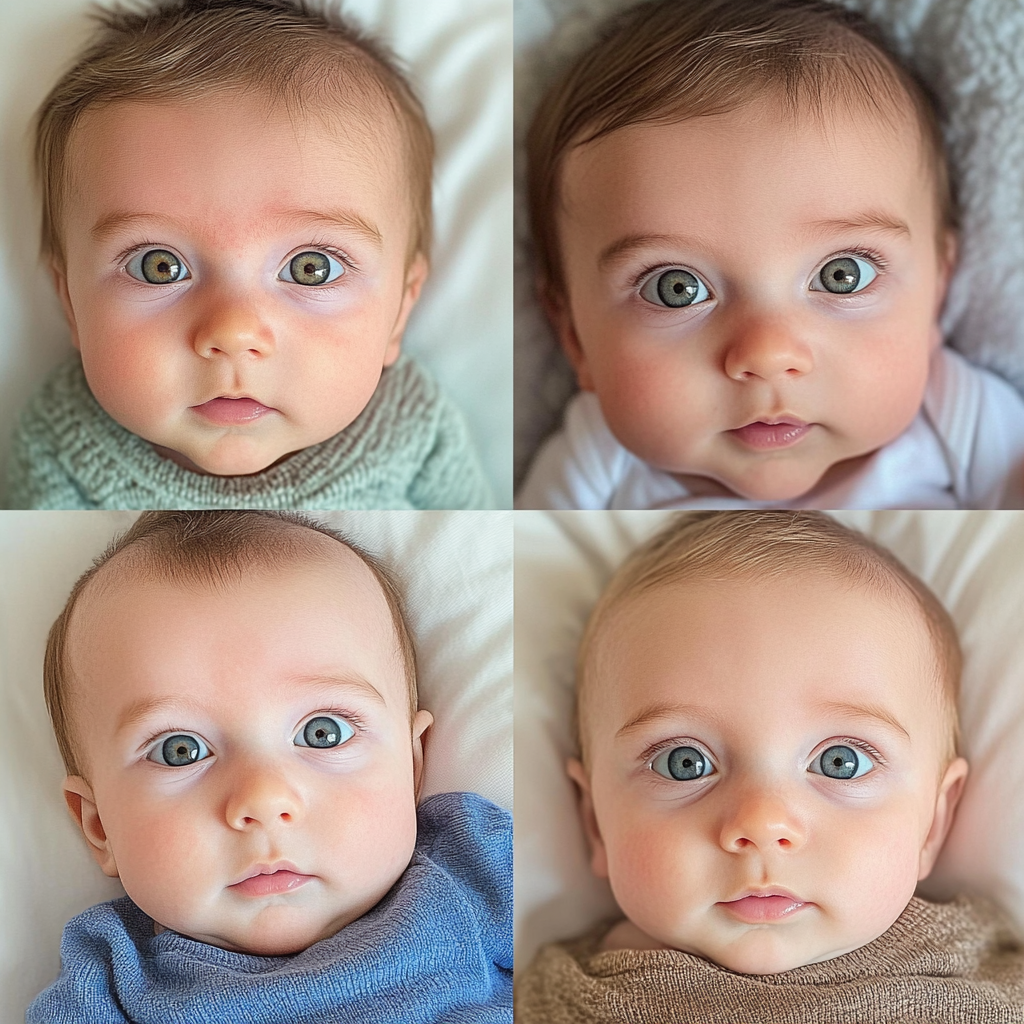
The path to hazel eyes isn’t always obvious right away. Many babies are born with a different eye color than what they’ll have later in life. If you’re curious whether your little one’s eyes are on their way to becoming hazel, it helps to understand the typical timeline of color progression during the first few years.
0 To 3 Months - A Grayish Beginning
Most babies are born with blue or grayish-blue eyes, especially those of Caucasian descent. This initial color is due to low melanin levels in the iris the pigment responsible for determining eye color. At this stage, the eye’s true hue hasn’t developed yet. Since melanin production is stimulated by light exposure, the color can’t be fully determined until more pigment begins to accumulate in the months ahead.
For hazel eyes, you won’t see much distinction during this time. Any changes happening are internal, as the melanocytes (cells that produce melanin) begin responding to environmental cues like light. While it’s too early to label any baby’s eye color as hazel, this period sets the stage for what’s to come.
3 To 6 Months - Early Shifts And Flecks
Around three to six months, you may begin noticing small changes in your baby’s eye color. Hints of green, gold, or even light brown may start to emerge, especially around the pupil. These early signs often appear as subtle flecks or rings within the iris. It’s during this window that melanin production picks up, and your baby’s unique eye color starts to take shape.
If hazel eyes are in the cards, they might still be hard to distinguish at this point. That’s because hazel develops as a combination of colors rather than a solid tone. However, seeing multiple tones like green alongside golden or brownish flecks could be your first clue that hazel is forming.
6 To 12 Months - Defining Tones Appear
Between six months and one year, your baby’s eye color typically becomes more pronounced. If hazel eyes are developing, you’ll likely start to see more definition in the iris. A common hallmark is a golden or brown ring forming near the center of the eye, gradually blending outward into green or amber hues.
This stage is when the differences between hazel, green, and brown become easier to detect. Hazel eyes are especially unique because of their multicolored nature. Parents might notice the eye color seems to change slightly under different lighting or depending on the baby's surroundings. These light-reflective variations are a signature feature of hazel.
1 To 3 Years - Settling Into Hazel
By the time your child reaches age one, their eye color is likely close to its permanent shade though subtle shifts can still occur up until around three years old. If your baby has hazel eyes, the final pattern typically includes a mix of green and brown tones, with golden or amber flecks. Often, the iris will appear darker near the pupil and lighter around the outer edge.
During these early months, many parents look for fun ways to interact with their babies and support cognitive development. You might enjoy these 20 engaging online games for babiesthat are perfect for screen-time bonding while waiting to see if those unique hazel tones emerge.
How To Tell If Your Baby Will Have Hazel Eyes
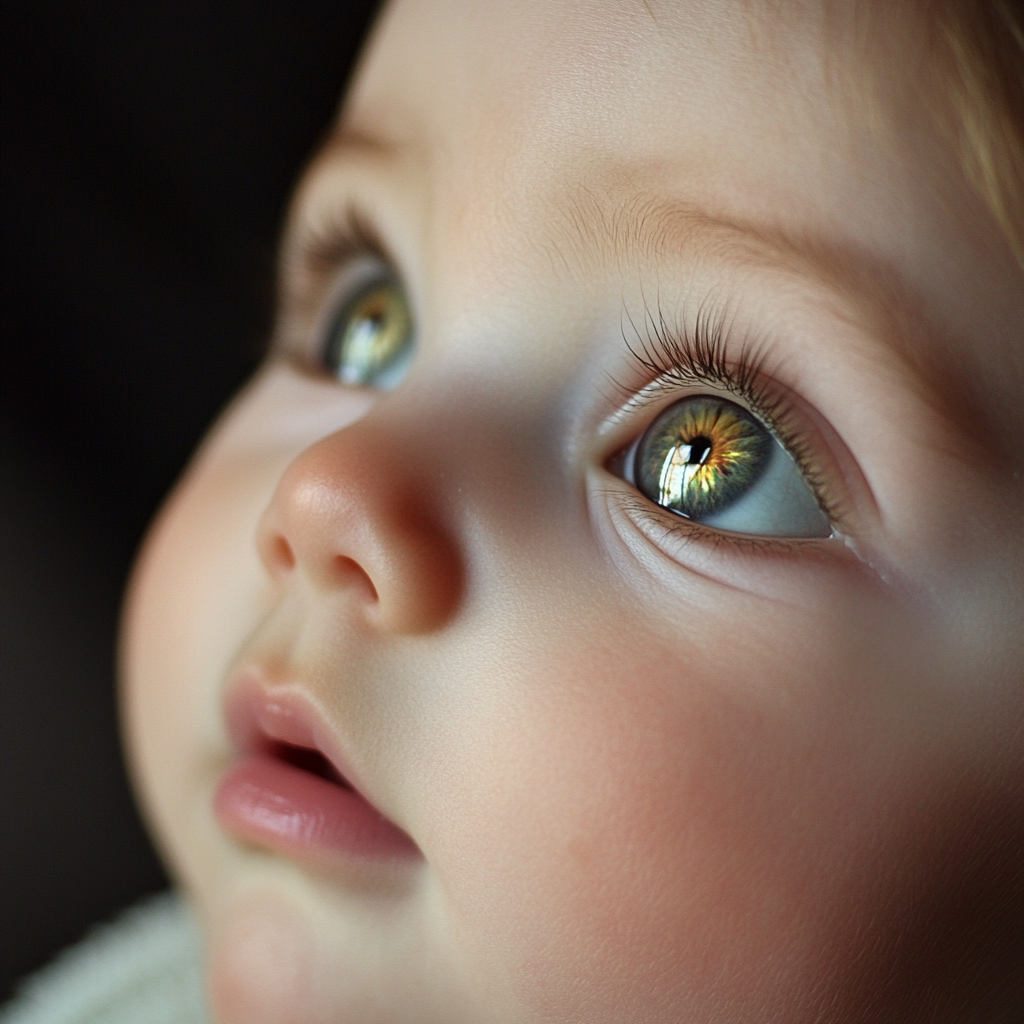
While predicting a baby’s eye color isn’t always straightforward, certain signs can offer early hints especially when hazel is a possibility. Hazel eyes don’t develop overnight, and they often emerge gradually through a blend of unique color patterns.
1. Flecks Of Gold Or Brown Around The Pupil
One of the earliest signs of hazel eyes is the appearance of brown or golden flecks near the center of the iris. These small, scattered pigment clusters typically form before the rest of the eye color fills in. Over time, they may spread outward and mix with green or amber hues, which is a classic pattern in hazel eye development.
If you start noticing these flecks between 3 and 6 months, especially on top of a bluish or gray base, it could signal that your baby’s eyes are transitioning toward hazel.
2. Iris Appears Multicolored, Not Solid
Unlike green or brown eyes, which often have a more uniform color, hazel eyes usually show variation. If your baby’s iris doesn’t appear solid and instead has sections or rings of different colors such as brown toward the center and green or gold near the outer edge this could be a sign of hazel eyes in progress.
Lighting can also play a role. Parents sometimes notice that their baby’s eyes seem to shift depending on the time of day or type of light. This changing appearance is a unique characteristic of hazel eyes and often becomes more noticeable around 6 to 12 months.
3. A Family History Of Hazel Or Mixed Eye Colors
Genetics play a major role in determining eye color, and a family history of hazel, green, or mixed-colored eyes increases the chances your baby could inherit similar traits. While two brown-eyed parents can have a child with hazel eyes, the odds increase if there's a mix of eye colors in extended family members, especially grandparents.
Still, genetics can be complex, and outcomes aren't always predictable. Multiple genes influence eye color not just the dominant-recessive traits most people are familiar with. This makes hazel one of the more unpredictable eye colors to anticipate.
4. Eye Color Continues To Change After 6 Months
Most babies begin to show their true eye color between 6 and 12 months, and a continued shift beyond this window is often linked to multicolored irises like hazel. If your baby’s eye color keeps evolving after the six-month mark especially showing an increase in green or brown tones it may be a sign of hazel eyes developing.
Some children even experience subtle shifts up to age three. Watching the transition unfold month by month can help you spot the difference between standard green or brown eyes and the layered look typical of hazel.
5. Try A Baby Eye Color Calculator With Hazel Prediction
If you're eager to get a more personalized prediction, consider using a baby eye color calculator with hazelto estimate your child's chances. These tools use genetics and parental eye colors to calculate the likelihood of different outcomes including hazel. While no calculator is 100% accurate, it can offer insight and add a fun, interactive element to your parenting journey.
Just remember: eye color is part science, part mystery. Hazel eyes, in particular, can surprise you even months or years after birth. And while you're watching for those subtle color shifts, you might enjoy bonding time with your little one through fun baby hazel gamesthat offer gentle, screen-based activities to keep your baby smiling.
Hazel Vs. Other Eye Colors - Key Differences
Hazel eyes are often mistaken for green, amber, or light brown, especially in babies whose eye color is still developing. Understanding the subtle but important differences can help you identify whether your baby has hazel eyes or something else entirely. Each of these eye colors has unique characteristics, from the distribution of pigment to how light interacts with the iris.
Hazel Eyes
Hazel eyes are known for their dynamic and multicolored appearance. They typically feature a mix of green, brown, and gold tones within the same iris, sometimes appearing to "shift" colors depending on lighting, clothing, or even mood. This varied pigmentation sets hazel apart from more uniform eye colors and gives it a unique, expressive look. In some cases, hazel eyes can appear predominantly green with golden flecks, while in other lighting they may lean more toward a soft brown.
What makes hazel especially fascinating is the non-uniform distribution of melanin. The center of the iris often has more brown or amber tones, while the outer ring may show hints of green or gold. This natural blending creates a depth and dimension that’s harder to find in other eye colors. It’s also why hazel eyes are sometimes described as "changing color" throughout the day, even though the actual pigment remains the same.
Green Eyes
Green eyes are often confused with hazel, but they tend to be more uniform in color. A true green iris has a consistent green tone throughout, sometimes with subtle yellow undertones but little to no brown. Unlike hazel, green eyes don’t exhibit that signature multicolor swirl or the golden flecks that make hazel so distinctive. If your baby’s eyes appear solid green in various lighting, they’re more likely green than hazel.
Green eyes are one of the rarest eye colors globally and are typically more common in people of European ancestry. They often have a cool, jewel-toned look that’s less warm than hazel. While lighting can enhance the brightness of green eyes, it doesn’t usually make them look drastically different unlike hazel, where the color can dramatically shift from green to brown depending on the surroundings.
Amber Eyes
Amber eyesare warm-toned and typically have a golden, copper, or honey-colored appearance. They lack the green or blue pigment that hazel might contain, which helps differentiate them. Amber eyes tend to have a glowing or "tiger eye" quality and remain consistent in color regardless of lighting or clothing. This solid, warm hue is one of the most distinct among lighter eye shades.
Because of their strong golden tones, amber eyes can sometimes be mistaken for light brown or even hazel. However, if the eye color shows no variation no green or brown flecks, no shifting tones then it’s more likely amber. While hazel has a "mixed" or mosaic-like pattern, amber is more like a pure gold or bronze.
Light Brown Eyes
Light brown eyes are often confused with hazel, especially when the iris appears lighter in shade. However, the main difference is uniformity. Light brown eyes have a consistent, warm brown hue throughout the iris. There are no green undertones or flecks, and the overall look is smoother and more monochromatic compared to the varied tones of hazel.
Another key way to tell the difference is how the eyes respond to light. While light brown may appear brighter or darker depending on lighting, it won’t display the green-gold interplay typical of hazel eyes. If your baby's eyes consistently look the same shade of brown in various settings, they’re likely light brown, not hazel.
Factors That Influence Eye Color Changes
Several biological and environmental factors can affect how and when your baby’s eyes shift from their original color. While genetics play the biggest role, other influences can subtly impact how eye color develops over time. Below are the most important factors to consider.
1. Melanin Levels
Melanin is the pigment responsible for the color of the eyes, skin, and hair. At birth, many babies have low melanin levels in their irises, especially those with lighter skin tones. As babies grow, melanin production increases, which can gradually darken their eye color. The more melanin deposited in the iris, the darker the eyes will appear. This is why many babies born with blue or gray eyes may eventually develop green, hazel, or brown eyes as melanin levels rise.
The unique blend of melanin levels is what creates hazel eyes. Unlike brown eyes that are uniformly pigmented, hazel eyes show uneven melanin distribution, producing a mix of green, gold, and brown tones. This progression usually becomes more noticeable between six months and two years of age. However, the timing and intensity of the change vary depending on the baby’s genetic background and individual biology.
2. Sunlight Exposure
Sunlight can influence how your baby’s eye color appears over time. While it doesn’t directly change the genetic code or melanin production, exposure to natural light may stimulate the body to increase melanin production in some children. Babies who spend more time in natural daylight may show subtle shifts in eye color that seem to deepen or become more defined, particularly with hazel or green tones.
In addition to possible biological stimulation, sunlight affects how we perceive color. Bright lighting enhances the multi-tonal features of hazel eyes, making flecks of gold or green more visible. This is especially true for hazel, which often appears to "change" depending on lighting. However, any changes attributed to light exposure happen gradually and are part of the normal development of the eye rather than a direct environmental alteration.
3. Iris Structure
The structure of the iris the colored part of the eye also plays a crucial role in how eye color is perceived. The iris contains tiny fibers and cells that scatter light as it passes through the eye. This scattering, known as the Tyndall effect, can cause the eyes to appear different in color depending on the angle and type of light. In hazel eyes, this effect is even more pronounced due to the mixed pigment distribution.
For babies with developing eyes, these structural differences can create an illusion of color shifts even before significant melanin buildupoccurs. As the iris matures and stabilizes in structure, the final eye color becomes more consistent. However, hazel eyes may continue to appear different under various lighting conditions, which is one reason they are often described as "changing color" even after they have fully developed.
4. Nutrition And Health
Although some myths suggest that diet or health supplements can affect eye color, scientific evidence doesn’t support this. Eye color is genetically determined and shaped by pigment production and iris anatomy not by vitamins or what your baby eats. However, maintaining good overall health is essential to support normal biological development, including healthy melanin production.
Proper nutrition can indirectly support eye development, especially in the early months when the body is rapidly growing. Nutrients like vitamin A, omega-3 fatty acids, and antioxidants help maintain eye health, but they won’t change the color itself. So, while diet is important for visual development, it won’t shift your baby’s eyes from blue to hazel or green but it will help keep those beautiful eyes strong and clear.
People Also Ask
What Percentage Of Babies Get Hazel Eyes?
Hazel is relatively rare estimated in around 5% of the global population. In babies, it's less common than brown or blue eyes.
Do Hazel Eyes Mean Mixed Heritage?
Not necessarily. Hazel eyes can occur in many ethnicities and backgrounds, though they are more common in people of European or Middle Eastern descent.
Can Diet Or Health Affect My Baby’s Eye Color?
No, diet and health do not impact eye pigmentation; it is solely determined by genetics and melanin levels. While nutrition is crucial for overall health, it does not influence eye color development.
Final Thoughts
Every baby’s eyes tell a unique story. Watching those tiny irises change month by month is like witnessing nature paint a masterpiece. Hazel eyes in particular bring an added layer of beauty and mystery that many parents find irresistible. While genetics gives us clues, nothing beats the surprise and wonder of seeing your baby's eye color evolve.