Baby Hazel's Guide To Staying Healthy | 12 Essential Health Lessons For Kids
Baby Hazel’s Guide To Staying Healthy is full of games and activities made just for preschoolers. Hazel shows kids how to stay well in ways that feel familiar and fun never like a lesson. What makes Baby Hazel special is how real and simple she feels.
When she brushes her teeth, eats her veggies or gets ready for bed, children see a friend doing things they do too. They start to understand that being healthy is just about making small, smart choices every day.
1. Handwashing
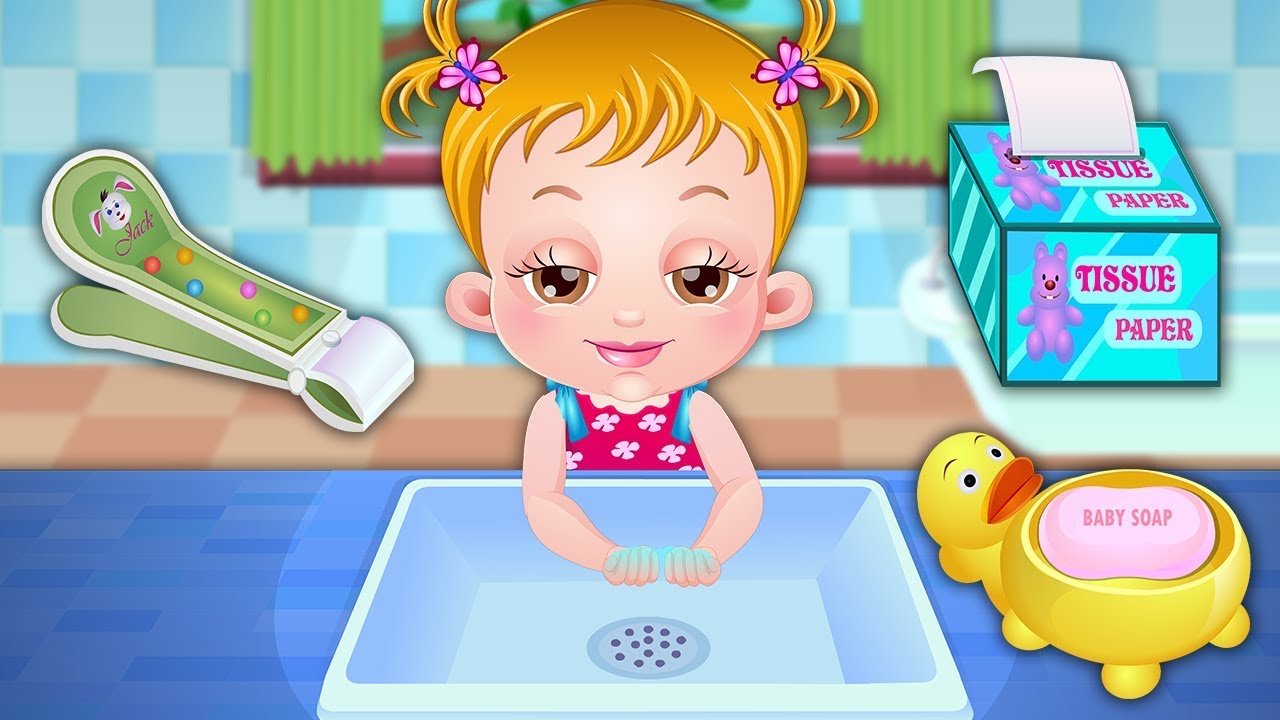
Baby Hazel Learns Hygiene Care | Baby Hazel Games | Teach Kids Cleanliness
Baby Hazel’s hygiene games teach kids that washing hands is one of the best ways to stay well. Through fun, everyday scenes, children see exactly when and how to do it right. They watch Hazel wash her hands after playing outside, before eating, after using the toilet and after petting animals.
Hazel wets her hands, uses soap and scrubs every part between fingers, under nails for about 20 seconds. That’s how long it takes to sing “Happy Birthday” twice. Then she rinses and dries with a clean towel.
Kids connect more when they see Hazel in action than when adults just tell them what to do. When her hands get muddy and she cleans them step by step, children see that handwashing is something they need to do.
2. Eating Well
In Baby Hazel Stomach Care, kids learn that the food you eat changes how you feel. The game shows this through moments they understand. One scene has Hazel skip her healthy breakfast like fruit and cereal and grab peanuts instead.
Soon, she gets a stomachache. She learns to notice when her body feels off and connects it to what she ate. Players help Hazel choose better next time. They pick good foods and see how she feels full of energy and joy.
When she eats too much junk or skips meals, she feels tired or sick. Foods like fruits, veggies, whole grains and proteins are shown as fuel that helps her play and learn. The focus is on balance and paying attention to what the body really needs.
3. Bathing And Keeping Clean Every Day
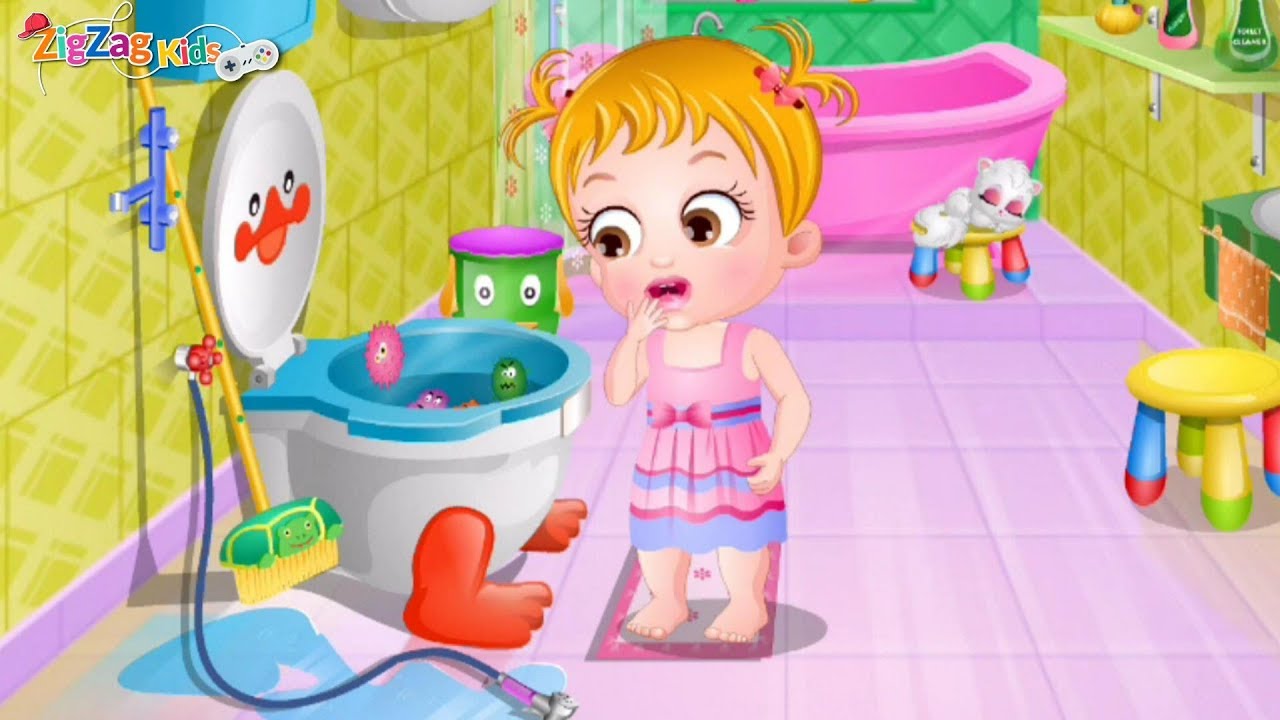
Baby Hazel Bathroom Hygiene | Full Episode | ZigZag Kids HD
After a messy day outside, Baby Hazel comes home covered in dirt. That’s the perfect chance to show kids why bathing matters. Getting dirty is okay, but cleaning up afterward is a must.
Her bath routine covers everything: washing her face, cleaning behind the ears, shampooing her hair, scrubbing her body, and rinsing well. Each step shows what a full bath really includes.
Hair care is part of the routine as well. She shampoos regularly and combs her hair to keep it tangle-free. Sometimes, her mom adds a few drops of essential oils for hair growthto her shampoo or conditioner to help keep her hair strong and healthy.
4. Taking Care Of Nails And Looking Neat
Baby Hazel gives nail care focus, clean, short nails keep dirt and germs from building up. After playing in sand or mud, Hazel’s nails get dirty. she gently brush under them while washing hands and why keeping nails trimmed helps.
Long nails hold more germs, so Hazel keeps hers short but not too short to hurt. Kids see that the right length keeps hands clean without causing pain. The game also tackles nail biting. When Hazel puts her fingers in her mouth, it explains how that spreads germs and can make her sick.
Baby Hazel's routines include brushing hair daily, keeping clothes clean and maintaining overall cleanliness. These habits adds to good health by reducing exposure to germs and creating pride in personal appearance.
5. Brushing Teeth Morning And Night
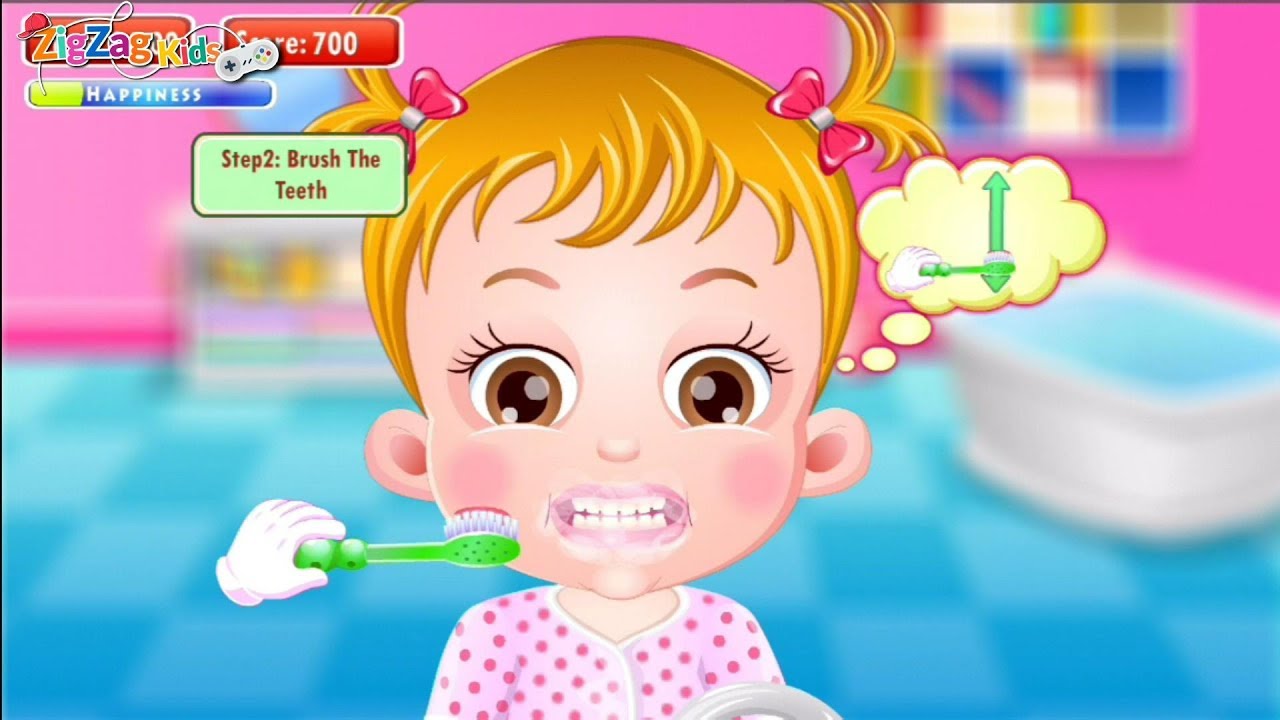
Baby Hazel Brushing Time | Full Episode | ZigZag kids HD
Good dental care is a big part of Baby Hazel’s healthy routine. Her games teach the best brushing technique for kids, how often and why it matters. She brushes twice a day after breakfast and before bed. This steady habit shows kids it’s just as important as washing hands or taking a bath.
She uses a pea-sized dab of toothpaste and brushes every surface of her teeth: fronts, backs, and chewing areas. She takes her time, about two minutes and makes sure to reach the back teeth.
Leftover food and sugar let germs grow, which can cause cavities. Brushing washes those away and keeps teeth strong. After brushing, Hazel rinses her mouth well, spits out the toothpaste and rinses her toothbrush before putting it away.
6. Getting Enough Sleep For Growing Bodies
Her bedtime routine shows how helpful it is to stick to a schedule. Going to bed at the same time each night, doing quiet activities before sleep and sleeping in a cozy space all help her get good rest.
The games show how sleep changes how Baby Hazel feels. When she’s well-rested, she’s cheerful and full of energy. When she’s tired, she gets fussy, has trouble paying attention, and doesn’t enjoy things as much.
Preschoolers like Baby Hazel need 10 to 13 hours of sleep every day, including naps if needed. The games make it clear that enough sleep isn’t a choice, it’s something every child needs.
7. Drinking Water Throughout The Day
Drinking water is a regular part of Baby Hazel’s health habits. Kids learn that water keeps their bodies working well and helps them avoid feeling unwell from not drinking enough. She carries a water bottle and sips regularly, not just when she’s thirsty.
The games explain in simple ways why water matters. It helps cool the body, digest food, keep skin healthy, and give energy for play. Without enough, kids can feel sluggish, get headaches, or just not feel right.
Water is shown as the best drink to have most of the time. Juice and milk have their place, but water should be the go-to choice. Baby Hazel drinks it with meals, after playing outside, and whenever she needs it.
8. Exercise And Physical Activity Every Day
Baby Hazel stays active through everyday play. The games show her running, jumping, dancing and enjoying time outside proving that exercise doesn’t have to feel like a chore. Her movement comes naturally, climbing on playgrounds, racing friends or riding her tricycle.
After playing, she sleeps better, eats well and feels happy and energized. Physical activity keeps her body strong and her mood light. Screen time is limited so it doesn’t take away from active play.
She might watch a show or play a game sometimes, but those moments never replace time spent moving and playing outdoors. Playing with friends like Bella, Jake, Liam, Andrew and Mia means even more movement.
Related Reading: Best Music For Baby Sleep
9. Visiting The Doctor
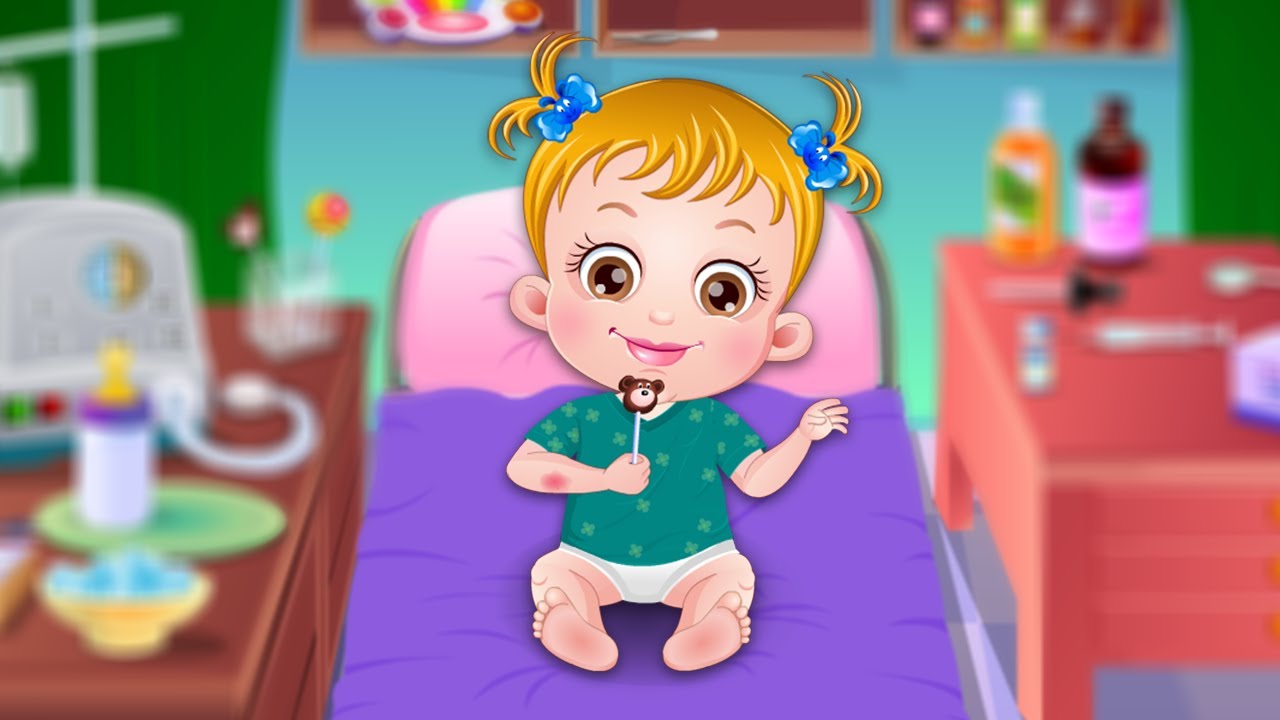
Baby Hazel Goes Sick Gameplay | Doctor Games for Kids To Play by Baby Hazel Games
Doctor visits in Baby Hazel’s world help kids feel more comfortable with checkups. Through gentle, playful scenes, they learn that doctors are there to help them stay healthy, not to scare them.
The games walk through what happens at an appointment, checking in, waiting, getting weighed, answering questions and having a quick exam. Kids see what to expect, doctors listening to hearts, checking ears, asking about sleep or meals, so nothing feels like a surprise.
When Baby Hazel gets a cold, tummy ache or small injury, she goes to the doctor to feel better. If she’s given medicine, she takes it as directed and finishes the full amount, even if she starts feeling better right away.
10. Changing Clothes And Wearing Clean Outfits
After playing in the mud or getting dirty, she changes before sitting on furniture or eating. This teaches when it’s time to swap out messy clothes. She takes off dirty clothes, puts them in the laundry basket, washes up if needed and puts on something clean.
Her outfits also match the weather, warm layers when it’s cold, light clothes in the heat, raincoats when it’s wet, and proper shoes for every season. This helps kids understand that dressing right keeps them comfortable and protected.
11. Covering Coughs And Sneezes Properly
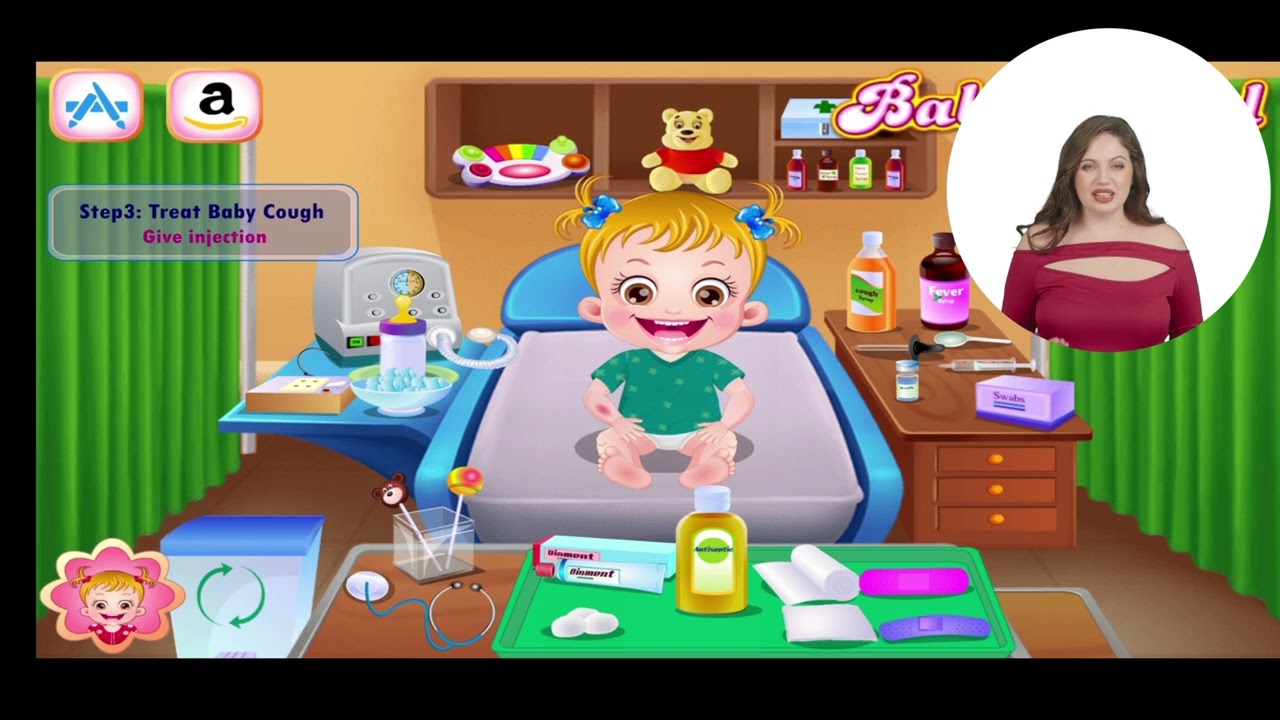
Baby Hazel Gets Better: Fever, Cough, and an Ouchie - Mommy to the Rescue! | 4K Storytime
Baby Hazel teaches kids how to stop germs from spreading when they cough or sneeze. Instead of using her hands, she covers her mouth and nose with her elbow. This keeps germs off her hands so they don’t get passed to toys, doorknobs or other people.
When tissues are around, she uses one, throws it away right after and washes her hands. This shows kids a clean and simple way to handle coughs and sneezes. If she’s feeling under the weather, she stays home to rest.
12. Listening To Your Body's Signals
A stomachache might mean something didn’t agree with her, so she tells an adult right away. This helps kids learn to speak up when something feels off. When she feels tired or low on energy, she takes a break or goes to bed early instead of pushing through.
Hunger and thirst are clear signs it’s time to eat or drink. She responds by choosing healthy food and water, showing kids how to meet their basic needs. If something hurts, she lets someone know, teaching children that asking for help when they’re in pain is smart and safe.
Educational Benefits Of Baby Hazel's Health Games
Baby Hazel’s health games teach kids better than just watching videos or reading books. When children play, they get involved instead of just sitting back. This keeps them interested and helps them remember what they learn.
In the games, they don’t just watch someone wash their hands, they help Baby Hazel do it themselves. They choose what to do and see what happens next. That hands-on experience sticks in their minds longer.
If a child helps Baby Hazel pick a healthy snack or wash her hands, the game shows that it’s the right choice. If they pick something unhealthy, they see what goes wrong. This helps them learn how actions lead to results.
Each time they replay a Baby Hazel health game, they practice the same healthy habits without getting bored or feeling like it’s a chore. Everything in the games is made for young kids to understand. Big ideas like eating well, staying clean and taking care of themselves are shown in simple ways.
How Parents Can Build On What Kids Learn
- By linking the games to everyday life. When home routines match what kids see in the games, healthy habits become second nature. Bring up Baby Hazel during regular tasks.
- Play the games together and talk about what’s happening. Ask simple questions like “Why do you think Baby Hazel needs to brush her teeth now?” This helps your child think more deeply about the choices they see.
- Use simple charts or checklists around the house. A handwashing tracker or a bedtime routine list for kids with Baby Hazel on it can turn ideas into clear steps your child can follow.
- Notice and praise your child when they act on what they’ve learned. Saying “Great job washing your hands just like Baby Hazel!” shows them they’re doing the right thing.
- Show healthy habits yourself. When kids see you eating well, staying active, and keeping up with your own routines, they’re more likely to copy you without even being asked.
FAQs About Baby Hazel's Guide To Staying Healthy
What Age Group Is Baby Hazel’s Guide To Staying Healthy For?
These games are made for kids between 3 and 8 years old. The bright colors, simple words and easy-to-follow actions match what preschoolers and early elementary kids can understand.
Where Can I Play Baby Hazel’s Guide To Staying Healthy Games?
You can find these games on several free websites, including the official BabyHazelGames.com. They work right in your browser on computers or tablets, no download needed.
How Do Baby Hazel Games Help Kids Learn About Eating Well?
The games show how food choices affect how Baby Hazel feels. For example, if she eats too much junk, she gets a tummy ache. If she chooses fruit or a balanced breakfast, she feels strong and happy.
Can These Games Help If My Child Is Scared Of The Doctor?
Games like Baby Hazel Doctor Visit walk kids through what happens at a checkup like getting weighed, having their ears checked or talking to a friendly nurse.
Are Baby Hazel Health Games Free?
Most of them are free to play online through websites like BabyHazelGames.com or 1001Games. You don’t need to sign up or pay, just open your browser and start playing.
What Hygiene Habits Does Baby Hazel Teach?
Baby Hazel shows kids how to stay clean in everyday life. That includes washing hands the right way before eating, after using the bathroom or after playing outside. She also brushes her teeth twice a day, takes full baths, keeps her nails short and clean and many more.
Final Thoughts
All the basics, handwashing, dental care, good food, enough sleep, staying active and visiting the doctor are covered here. This gives parents a full set of tools to help their children learn healthy habits.
Kids pick up these lessons while playing, often copying what they see without even noticing they’re being taught. When parents back up those lessons during daily routines by talking about them, doing them together or leading by example, kids start to make those habits part of their everyday life.
Also Check Out: Engaging Online Games For Babies