10 Best Music For Baby Sleep I Recommend After Months Of Testing
Best Music For Baby Sleep - My Personal Journey As A Parent
Three months into parenthood, bedtime felt like a struggle until I discovered how calming music could be. What started as a last try became a helpful way to get my baby to sleep and create quiet bonding moments. After many nights of testing everything, I made a list of music that worked best.
Each one helped my baby relax, breathe slower, and finally sleep. I learned that not all music helps, some was too busy or loud. Watching my baby’s reactions showed me what truly worked. Here’s what helped us and could help you too.
1. Classical Piano - Chopin's Nocturnes
My introduction to Chopin's Nocturneshappened during a particularly difficult week when my baby was going through a sleep regression. I was exhausted and willing to try anything. I stumbled across Nocturne, and within minutes, I noticed my baby's fussing begin to subside.
The gentle, flowing melody has this incredible ability to slow down everything in the room, including my own racing heart. I discovered that the piece's natural rhythm closely matches a resting heart rate, which explains why it's so effective. The soft dynamics and predictable phrasing create a cocoon of calm that seems to wrap around both baby and parent.
What I love most about Chopin's Nocturnes is their emotional depth without overwhelming complexity. The music feels like a gentle conversation, with pauses and breaths that mirror natural sleep rhythms. I typically play the complete set on repeat, and by the third repetition, my baby is usually deep in dreamland.
2. Nature Sounds - Gentle Rainfall
Rain sounds became my secret weapon during teething nights when nothing else seemed to work. I remember one particularly challenging evening when my baby was inconsolable, crying, arching their back, refusing every comfort I offered. In desperation, I put on a recording of gentle rainfall, and the transformation was almost immediate.
The consistent, rhythmic pattern of raindrops creates what I call "acoustic comfort food" for babies. Unlike music with melodies that can be distracting, rainfall provides steady, predictable sound that masks household noises without demanding attention. I learned that babies find this type of consistent audio incredibly soothing because it reminds them of the constant whooshing sounds they heard in the womb.
Rain sounds became my secret weapon during teething nights when nothing else seemed to work. I remember one particularly challenging evening when my baby was inconsolable, crying, arching their back, refusing every comfort I offered. In desperation, I put on a recording of gentle rainfall, and the transformation was almost immediate.
3. Traditional Lullabies - Brahms' Lullaby
Brahms' Lullaby holds a special place in my heart because it was the first song that consistently worked for my baby. I started humming it during those early weeks when I was still learning to navigate parenthood, and I noticed how my baby's eyes would focus on my face, then gradually grow heavy.
The beauty of Brahms' Lullaby lies in its perfect simplicity. The melody is gentle enough to soothe but memorable enough to create strong sleep associations. I discovered that babies respond not just to the music itself, but to the familiarity and security it represents. After using it consistently for several weeks, I could see my baby begin to relax the moment those opening notes played.
I prefer instrumental versions over vocal ones for bedtime because vocals can sometimes be too stimulating or distracting. The piano arrangement I use has a soft, music-box quality that feels intimate and personal. I often find myself humming along quietly, creating a multi-layered soothing experience that includes both the recorded music and my own voice.

4. White Noise - Consistent Humming
White noise entered my baby sleep arsenal when I realized that complete silence wasn't actually ideal for infant sleep. I learned that babies are accustomed to constant sound from their time in the womb, where they were surrounded by the rhythm of heartbeat, blood flow, and muffled external sounds.
The consistent humming of white noise serves as an acoustic blanket, creating a buffer against sudden sounds that might startle my baby awake. I remember the first night I used it, my baby seemed to sink deeper into sleep and stayed asleep longer than usual. The constant, unchanging sound seemed to provide a sense of security and continuity.
I experimented with different types of white noise, from vacuum cleaner sounds to fan noise, but found that a simple, consistent humming tone worked best. It's not too harsh or mechanical, yet provides the steady audio presence that helps maintain deep sleep phases. I keep the volume at a comfortable level that masks minor household sounds without overwhelming my baby's developing hearing.
5. Ambient Instrumental - Ludovico Einaudi
Ludovico Einaudi's minimalist piano compositions became my go-to choice for creating a peaceful bedtime atmosphere. I discovered his music during my own struggles with postpartum anxiety, and found that pieces like "Nuvole Bianche" had this remarkable ability to calm both my baby and me simultaneously.
Einaudi's music strikes the perfect balance between being emotionally moving and deeply relaxing. The compositions are structured enough to be engaging but repetitive enough to be soothing. I noticed that my baby would often become very still and focused when these pieces played, as if actively listening to the gentle progression of notes.
What makes Einaudi particularly effective for baby sleep is the space between the notes, the gentle pauses and breathing room in the music. These natural breaks seem to sync with my baby's own breathing patterns, creating a harmonious rhythm that encourages deeper relaxation. I typically play a playlist of his most gentle compositions, letting them flow seamlessly from one to another.
6. Celtic Harp Music
Celtic harp music became my discovery during a phase when my baby seemed to need something more ethereal and magical for bedtime. I stumbled upon it while looking for alternatives to traditional lullabies, and I was amazed by how quickly it captured my baby's attention in the most peaceful way. It reminded me of the body’s natural healing rhythms, almost like quiet melodies of recoveryguiding both of us into a calm, restful state.
The soft sound of a harp makes music that feels old and special at the same time. When my baby first heard it, their eyes opened wide with curiosity, but soon they began to link those calming sounds with bedtime. The music feels light and smooth, almost like being softly rocked to sleep.
I prefer Celtic arrangements because they often incorporate traditional melodies that have been soothing children for centuries. The repertoire includes pieces like "Danny Boy" and "Scarborough Fair" arranged in the most delicate, whisper-soft versions. The natural resonance and decay of harp strings create a dreamy quality that seems to transport both baby and parent to a more peaceful realm.
7. Soft Jazz - Bill Evans Trio
Jazz might seem like an unusual choice for baby sleep music, but Bill Evans' gentle piano interpretations proved to be surprisingly effective. I was initially skeptical - jazz felt too sophisticated for a baby - but I decided to try it during a particularly difficult bedtime routine.
The Bill Evans Trio's approach to standards like "Autumn Leaves" and "Waltz for Debby" is so gentle and introspective that it creates an incredibly soothing atmosphere. The interplay between piano, bass, and brushed drums is subtle enough to be calming while complex enough to be interesting for adults who are also listening.
I found that babies often enjoy the friendly, easy sound of small jazz groups. The music is calm and warm, making them feel safe and cared for. The gentle swing has a smooth, rocking feel that helps them relax and fall asleep. I usually choose the slow, soft songs instead of the faster ones.
8. Ocean Waves With Light Music
Ocean sounds combined with soft instrumental music became my solution for those nights when my baby seemed overstimulated and needed extra help winding down. I remember the first time I played this combination, it was after a particularly busy day with visitors, and my baby was clearly overtired but unable to settle.
The rhythmic whoosh of waves provides a natural white noise effect, while the gentle instrumental overlay adds musical interest without being overwhelming. I found that this combination works particularly well for babies who might find pure nature sounds too monotonous or pure music too stimulating.
The version I use features real ocean recordings with subtle guitar or piano melodies woven throughout. The music doesn't compete with the waves but complements them, creating layers of soothing sound. I've noticed that my baby often falls asleep faster with this combination than with either component alone, possibly because it engages multiple types of auditory processing simultaneously.
9. Music Box Melodies
Music box arrangements hold a special nostalgic charm that seems to work magic on babies. I started using them when I wanted to create an especially gentle, intimate bedtime atmosphere. The delicate, crystalline tones of music box melodies have this unique ability to create an immediate sense of childhood wonder and security.
I collected several music box versions of classic lullabies and children's songs, including "Twinkle, Twinkle, Little Star" and "Rock-a-bye Baby." The mechanical precision of music box timing, combined with the soft, bell-like tones, creates a very predictable and soothing audio experience that babies seem to find deeply comforting.
What I love about music box melodies is their inherent gentleness, they can't be played too loudly or harshly. The natural limitations of the music box mechanism ensure that every note is soft and sweet. I often use these during the transition from active play to quiet time, helping to signal to my baby that sleep time is approaching.
10. Gregorian Chants (Modern Versions)
Modern interpretations of Gregorian chants might seem like the most unusual choice on my list, but they proved surprisingly effective for creating a deeply peaceful sleep environment. I discovered them while searching for something that would provide consistent, flowing sound without the complexity of traditional melodies.
The monophonic nature of Gregorian chant, single melodic lines without harmony, creates a pure, uncluttered audio experience that seems to clear mental space for sleep. I use modern recordings that soften the traditional approach, often featuring gentle instrumental accompaniment or echo effects that enhance the meditative quality.
These chants have a timeless, universal quality that transcends specific religious or cultural associations. The flowing Latin syllables create a linguistic rhythm that babies seem to find soothing, possibly because the sounds are unfamiliar enough to avoid creating specific associations while remaining melodically comforting. I typically use these during particularly restless nights when my baby needs extra help achieving deep calm.
How I Use These Music Choices In My Nightly Routine
Over time, I found a good way to use music to help my baby sleep by watching what worked and making small changes. Some nights, especially after feedings when I needed to focus on gentle stomach care, I chose soft, repetitive sounds like rain or white noise to help digestion and relaxation.
I learned that keeping things the same each night was just as important as the music itself. About 30 minutes before bed, I dim the lights and start our calm routine, which includes choosing music for the night.
I pick from my top 10 choices depending on my baby’s mood. If the day was busy and noisy, I use simple sounds like white noise or nature sounds. If my baby is alert and curious, I choose something soft with a melody, like Einaudi or Celtic harp music. The main idea is to match the music to how my baby feels.
I also discovered that the volume matters a lot. I keep a small speaker at a steady, soft level, loud enough to cover background noise but quiet enough to hear my baby’s breathing. Sudden changes in volume can wake a baby, so I adjust slowly if needed.
It also took some time to figure out when to start and stop the music. I usually play it during feeding or story time so my baby connects those sounds with sleep. The music stays on during the first stage of sleep but fades out after about an hour, helping my baby rest without needing the music all night.

What I Learned About Volume And Timing
Research shows that babies are used to steady sounds in the womb, where noise levels are quite high, but I learned that sleep music doesn’t need to be that loud. After some testing, I found that 50-60 decibels, about the level of a quiet conversation, is enough to calm a baby without being too much for their ears.
I use a simple decibel meter app on my phone to keep the volume steady because different types of music can sound louder or softer, even at the same setting. Classical music with big changes in volume needs extra care so the loud parts don’t wake the baby, while steady sounds like white noise can stay the same.
I also paid attention to when to start the music. Playing it too early made my baby too alert, while starting too late missed the chance to help them settle. The best time for us is during the last feeding or cuddle, about 15-20 minutes before bed.
When to stop the music was another lesson. At first, I kept it on all night, but I learned to slowly fade it out during the first sleep cycle. Now I let it play for about 45-60 minutes, long enough to help my baby fall asleep but still giving them time to rest in quiet.
Frequently Asked Questions
Will My Baby Become Dependent On Music To Sleep?
Most babies don’t become “dependent” on music if you use it the right way. I’ve used music for months, and my baby can still sleep without it when needed. The key is to keep things flexible. Sometimes I skip music or play very soft background sounds. Music can be a helpful sleep cue as long as it’s not the only thing you rely on.
How Loud Should Baby Sleep Music Be?
Keep baby sleep music at about the level of a quiet conversation, around 50-60 decibels. I use a phone app to check. It should be loud enough to block small noises but soft enough that you can still hear your baby’s breathing and sounds. If you need to raise your voice to be heard, it’s too loud.
What’s The Best Type Of Music For Newborns Versus Older Babies?
Newborns usually like simple, steady sounds like white noise, gentle rain, or soft lullabies because they’re similar to what they heard in the womb. When my baby got older (around 3-4 months), I added calm instrumental music and nature sounds. By 6 months, my baby had clear favorites and would relax when those songs started.
Should I Use The Same Music Every Night?
Having a small set of favorite pieces works well. I rotate 3-4 songs rather than using the same one every night. Babies like routine, but too much repetition can make the music less effective. I’ll stick with one main piece for a week or two, then switch it up a little to keep it fresh.
Can Classical Music Really Make Babies Smarter?
The idea that music makes babies smarter is a bit exaggerated. I play classical music because it’s calming, not for brain boosts. The biggest benefit I see is bonding and helping my baby relax. If it helps development too, that’s a bonus, but the main goal is rest and comfort.
What If My Baby Seems Energized By Music Instead Of Calmed?
Sometimes music that seems calming to us can wake up a baby. If my baby started moving more, getting tense, or looking more alert, I changed the music right away. Babies can react strongly to tempo or mood. In those cases, simpler and slower sounds work best.
Is It Safe To Leave Music Playing All Night?
Soft music at a low volume is generally safe, but I usually let it play for only the first hour to avoid overuse. My pediatrician confirmed that quiet music won’t hurt hearing, but it’s better if babies can also sleep without it all night.
How Do I Know If The Music Is Working?
Good signs are faster settling, smoother bedtime routines, longer stretches of sleep, and seeing your baby relax. If it’s helping, you’ll notice a difference within a week or two. If nothing changes, try different music or adjust your approach.
Final Thoughts
I learned that every baby is different, and what works for one may not work for another. It takes patience and some trial and error to find the right music. I tested many options before finding what helped my baby relax, and I still adjust as their needs change.
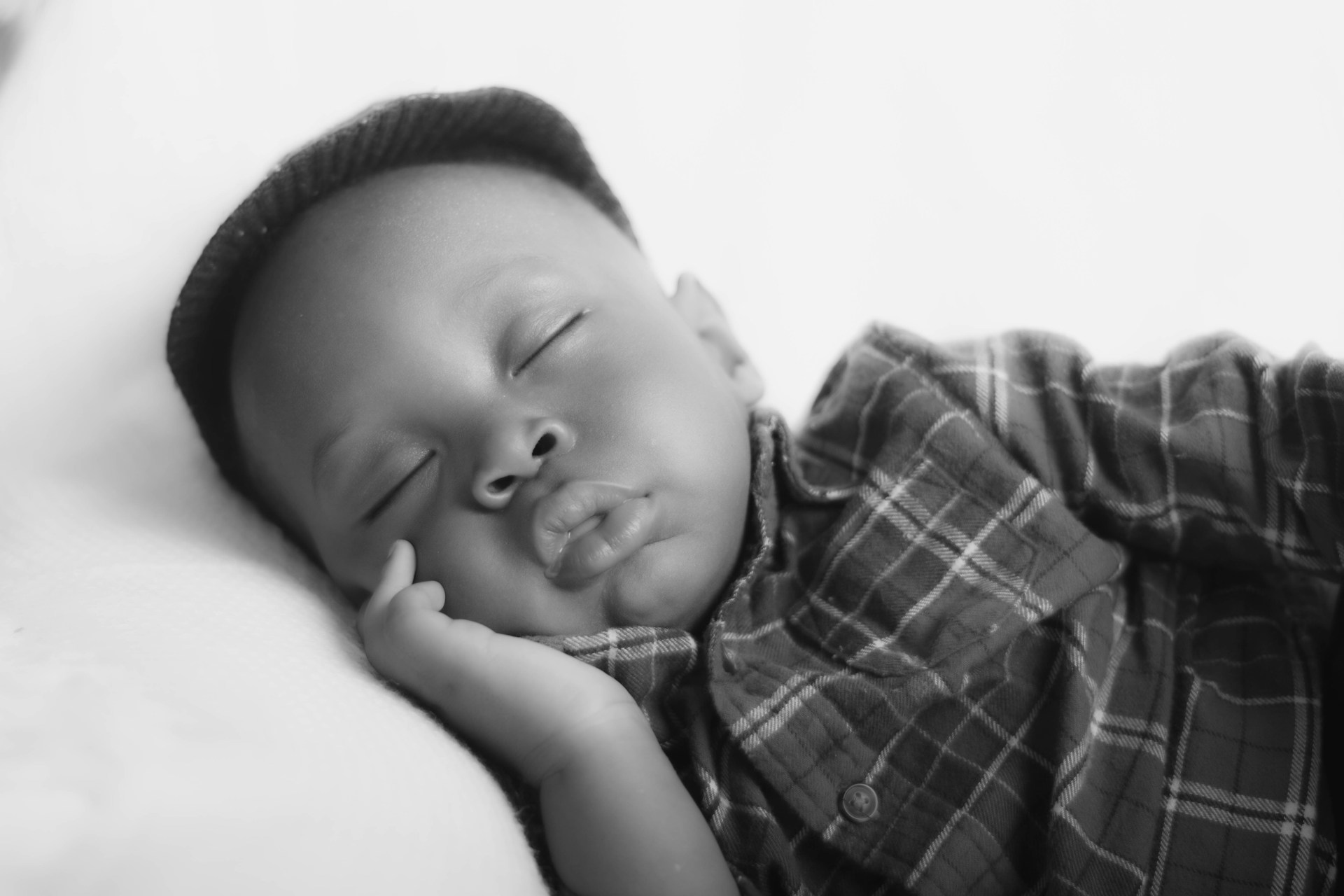
The best part has been the bonding. Watching my baby calm down and drift off while listening to soft music turned bedtime into a peaceful, special time instead of a struggle.
Good sleep habits take time, and music is just one way to help. Follow your instincts, pay attention to your baby’s reactions, and be ready to adjust as they grow. The right music for your baby is out there, it may just take a little time to find it.
You Might Also Like: Baby Hazel London Bridge Is Falling Down