The Process Of Baby Brown Eyes Turning Hazel - A Parent's Guide
Every parent marvels at their baby’s eyes, those tiny windows sparkling with mystery. When brown eyes start shifting to hazel, it feels like witnessing a small miracle, sparking curiosity about what’s behind the change.
This journey of color transformation is more than just a visual delight; it’s a blend of genetics, biology, and wonder. Let’s unpack the science, myths, and beauty of why some babies’ brown eyes turn hazel, offering clarity and tips for every captivated parent.
What Makes Eye Color So Unique?
Eye color captivates us because it’s a personal signature, like a fingerprint. It’s shaped by melanin, the pigment that colors our skin and hair, interacting with light in the iris. Babies often start with darker eyes, but shifts like brown to hazel reveal how dynamic this process is.
The iris, the colored part of the eye, acts like a canvas. Melanin levels and light scattering create hues from deep brown to vibrant hazel. Understanding this sets the stage for why a baby’s gaze might transform in their first years.
The Science Behind Brown Eyes Turning Hazel
At birth, many babies have brown eyes due to high melanin in the iris. Melanin production can shift as they grow, influenced by genetics. This change often lightens brown eyes, sometimes resulting in hazel, a mix of green, brown, and gold.
The iris has two layers: the front (stroma) and the back (epithelium). Less melanin in the stroma allows light to scatter, a phenomenon called Rayleigh scattering, giving hazel eyes their multi-toned sparkle. This process, unique to each child, explains why some brown eyes evolve while others stay steady.
Genetics plays a starring role. Genes like OCA2 and HERC2 control melanin output, and variations can dial it down, lightening the iris. It’s a delicate dance of biology creating those mesmerizing hazel hues.
When Do Babies’ Eyes Start To Change?
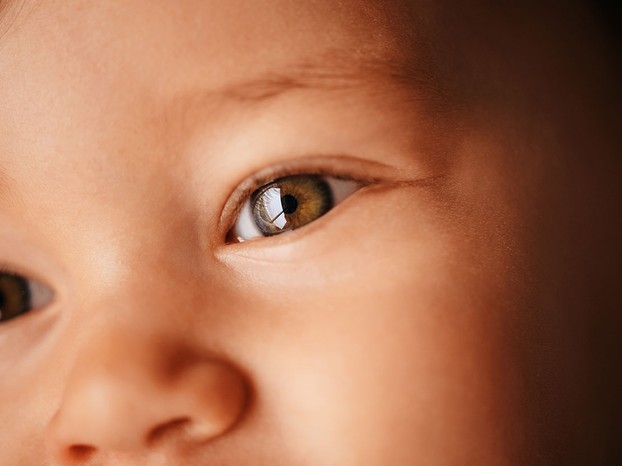
The eye color becomes more defined between 6-12 months. Hazel baby eye color progressionoften starts subtly during this stage, with golden or green tones gradually appearing near the pupil. By age 3, their permanent color usually settles, though subtle changes can persist. Brown-to-hazel transitions often become noticeable around the first birthday.
Genetics and ethnicity influence timing. Babies with mixed ancestry may see slower or more dramatic shifts. For instance, those with lighter-eyed parents are more likely to develop hazel tones.
Not all brown eyes change. Higher melanin levels can keep eyes dark, while lower levels pave the way for hazel. Every child’s timeline is unique, adding to the anticipation.
Factors That Influence Eye Color Transformation
Several elements shape whether brown eyes turn hazel. Here’s a closer look at what drives this captivating change:
- Genetics: Eye color hinges on parental genes. If both parents carry recessive genesfor lighter colors, hazel is more likely.
- Melanin Levels: Lower melanin in the iris front layer allows hazel tones to emerge. This varies widely among babies.
- Environmental Factors: Light exposure doesn’t directly change eye color, but it can highlight hazel undertones. Diet has no proven impact.
- Ethnic Background: Hazel eyes are more common in European or mixed ancestries but can appear globally.
- Age: Eye color stabilizes by toddlerhood, but subtle shifts can occur into childhood due to melanin tweaks.
While genetic factors primarily dictate the eventual color, external influences like sunlight and melanin production also play a role. For a better understanding of how these factors contribute to the development of hazel eyes, refer to a hazel baby eye color chart, which provides a visual breakdown of eye color progression.
Hazel Eyes - What Makes Them So Special?
Hazel eyes are a visual symphony, blending brown, green, and gold in one glance. Their chameleon-like quality shifts with lighting, golden in sunlight and greenish indoors. This versatility sets them apart.
The stroma’s low melanin lets light scatter creatively, producing that multi-hued effect. It’s why hazel eyes feel alive, reflecting mood or environment. Scientifically, they’re a balance of pigment and optics, but emotionally, they’re pure magic.
Culturally, hazel eyes carry allure. From literature to film, they’re often tied to depth or mystery, like a character with secrets to share. For parents, watching their baby’s eyes become hazel feels like uncovering a hidden gem.
Can You Predict If Brown Eyes Will Turn Hazel?
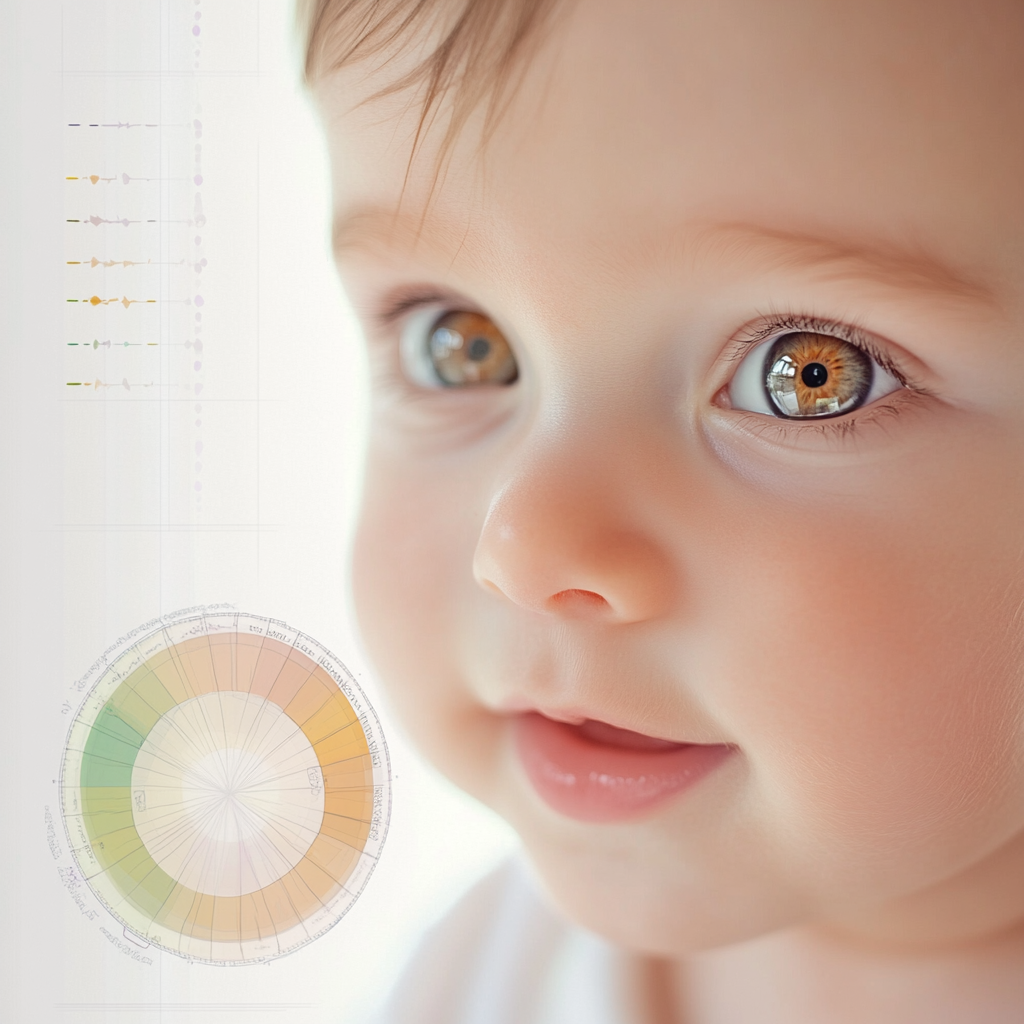
Predicting eye color is part science, part guesswork. Family history offers clues; if parents or grandparents have hazel eyes, the odds increase. Genetic testing, like 23andMe, can analyze markers like OCA2, but it’s not foolproof.
Eye color involves multiple genes interacting unpredictably. A baby with two brown-eyed parents might still develop hazel eyes if recessive genes are at play. Surprises are common, adding charm to the process.
Take Sarah, a mom who shared online that her son’s deep brown eyes turned hazel by age 2, despite no family history of light eyes. These stories remind us nature loves a plot twist, keeping predictions humble.
How To Care For Your Baby’s Eyes During Color Changes
As your baby’s eyes transform, keeping them healthy is key. Their vision is developing, and simple steps make a difference. Here’s how to nurture those budding hazel eyes:
- Shield from Harsh Light: Use baby sunglassesor a hat to protect sensitive eyes outdoors. UV exposure won’t change color but can irritate.
- Keep Eyes Clean: Gently wipe away discharge with a damp cloth to prevent infections.
- Watch for Issues: Redness, cloudiness, or uneven pupils warrant a pediatrician visit. These rarely tie to color changes but signal health concerns.
- Embrace the Journey: Eye color shifts are natural. Enjoy watching your baby’s unique hues unfold without worry.
If you notice anything unusual, like persistent tearing, consult a doctor. Most color changes are harmless, but vigilance ensures peace of mind.
Don't Miss - 15 Best Baby Hazel Games Toddlers Will Love
People Also Ask
Why Do Some Babies’ Brown Eyes Turn Hazel While Others Don’t?
It boils down to genetics and melanin. If a baby inherits genes for lower melanin production, their brown eyes may lighten to hazel. Those with consistently high melanin keep darker eyes.
Is It Normal For Eye Color To Change After Infancy?
Yes, though less common. Most changes happen before age 3, but subtle shifts can occur into early childhood as melanin production fine-tunes.
Can I Influence My Baby’s Eye Color?
No. Eye color is purely genetic, unaffected by diet, environment, or lifestyle. Nature calls the shots here.
Are Hazel Eyes Rare?
Hazel eyes are less common than brown or blue, making up about 5-8% of the global population. Their rarity adds to their unique charm.
Final Thoughts
From the science of melanin to the magic of hazel’s shifting hues, a baby’s eye color journey is a blend of biology and wonder. Whether it’s the genetics at play or the way light dances in their iris, each change tells a unique story.
As you watch your child’s eyes sparkle, embrace the surprises. Those hazel tones aren’t just colors they’re a glimpse into the individuality unfolding before you, one glance at a time.